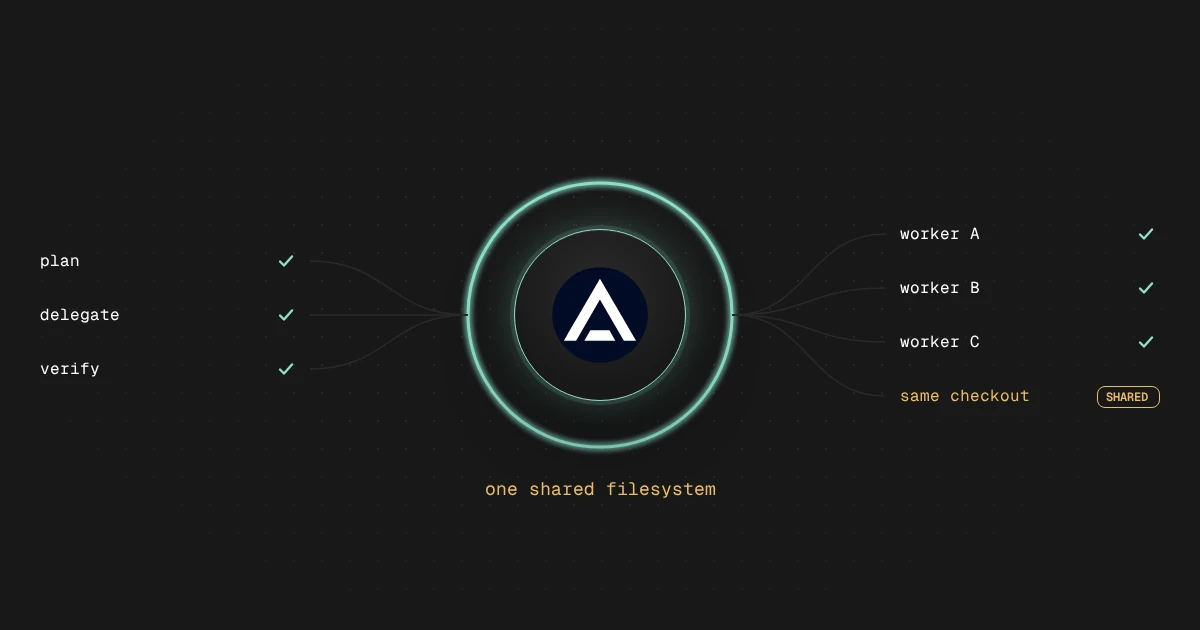
Agent Harness: Plan, Delegate, Verify
Inside Agent Harness: why Pro keeps serious work in one agent, when Ultra workers help, and how exact-action approvals and verification shape the result.
Browse Architecture articles and practical insights from Agent Zero.
Inside Agent Harness: why Pro keeps serious work in one agent, when Ultra workers help, and how exact-action approvals and verification shape the result.
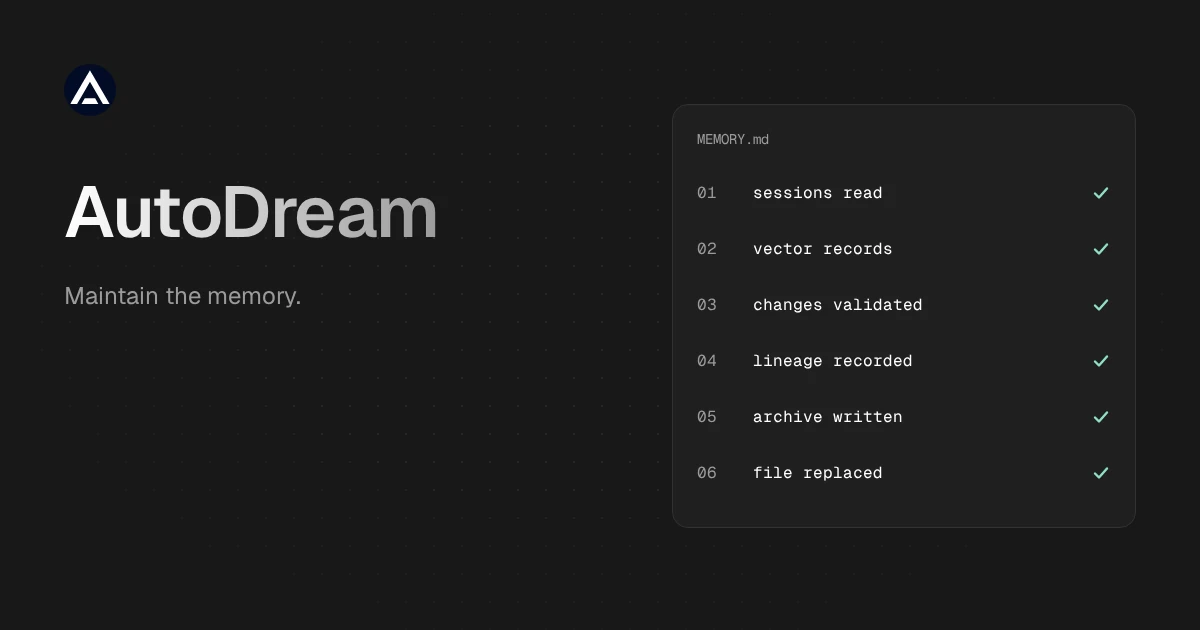
A close look at AutoDream’s reflective memory pipeline: complete-file inputs, validated changes, source lineage, archives, and the limits of recovery.
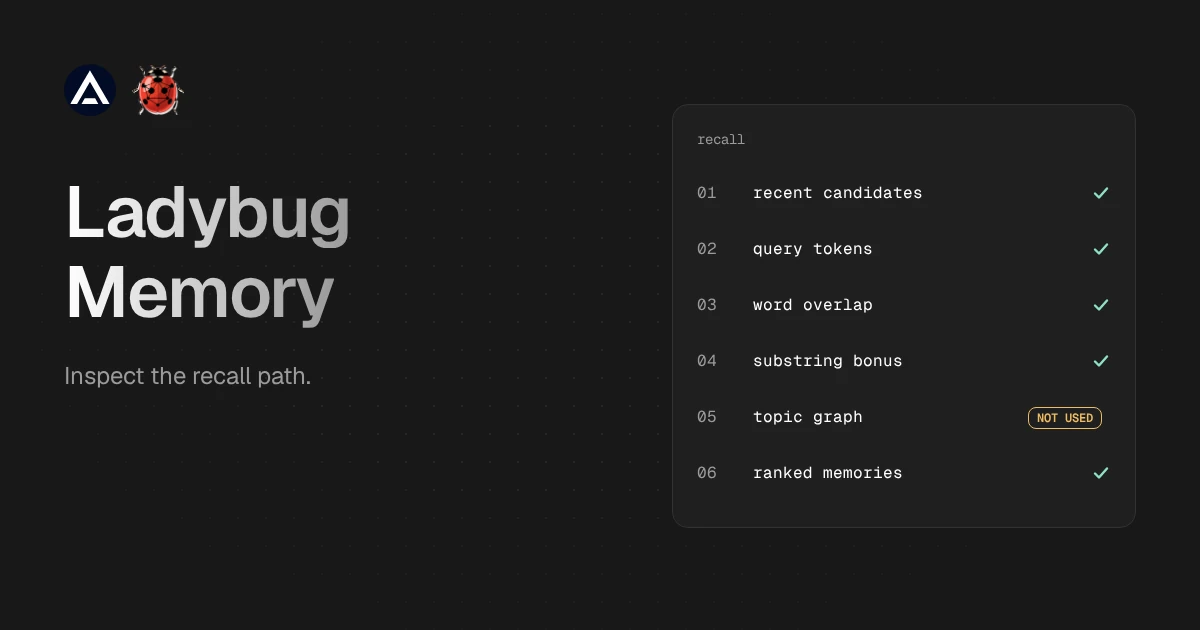
Look beneath Ladybug Memory’s graph view to its actual recall path: recent candidates, query-word overlap, substring bonuses, and independent storage.
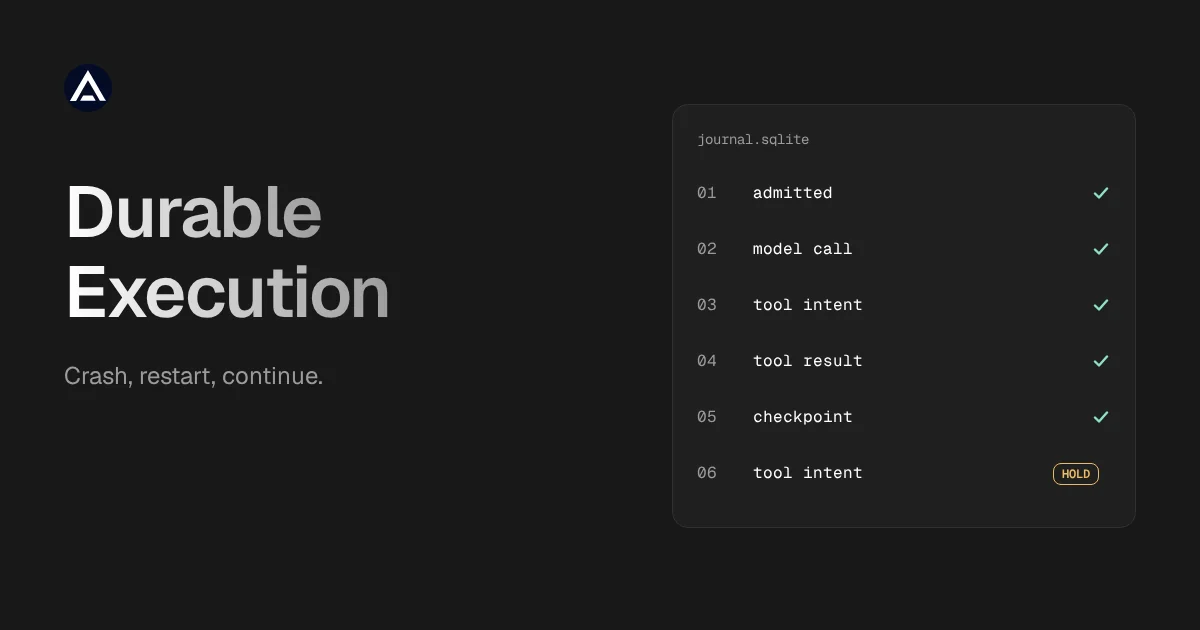
A deep look at Alessandro Frau's experimental Durable Execution plugin: how it journals every model and tool call, recovers interrupted chats after a crash, and refuses to repeat actions it cannot prove are safe.

Tree Ring Memory is a local-first, Rust-native memory lifecycle layer that keeps fresh memory sharp, compresses old memory into rings, keeps hard lessons visible as scars, and promotes verified truths to heartwood. Here is why it is a strong complement, or a full alternative, to Agent Zero's built-in memory.
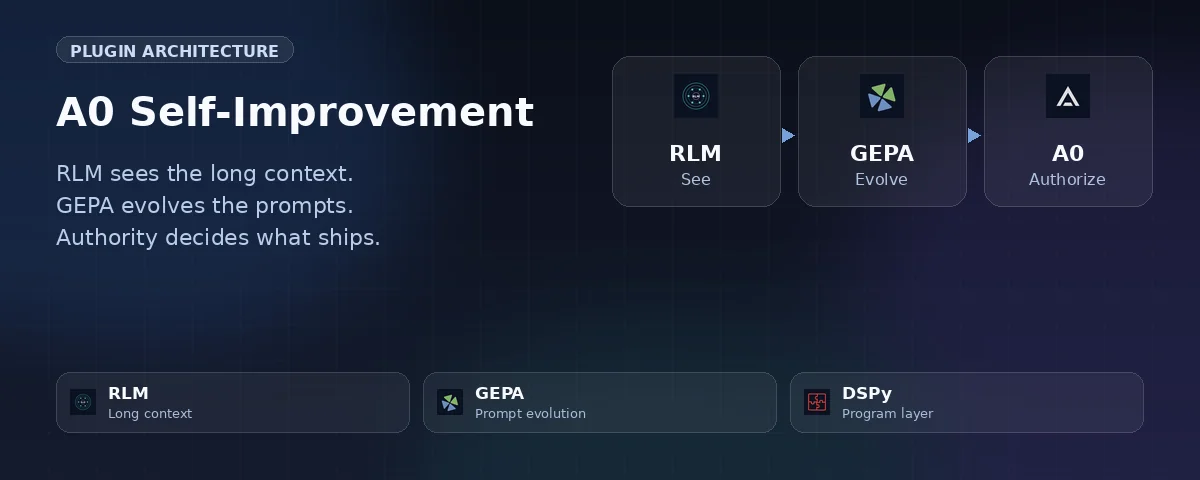
How the A0 Self-Improvement plugin combines recursive long-context analysis with reflective prompt evolution—and why authority, replay, canaries, and a bounded autopilot loop matter more than the optimizer brand.

Agent Zero's third major iteration is moving agent-run code and heavyweight tools into isolated, disposable gVisor sandboxes.
Jan Tomášek previews Spynel, a new orchestration layer that turns established AI coding harnesses into one durable, review-driven workflow from desk or phone.

Why the real AI agent harness choice is not custom versus general-purpose, but closed versus composable, transparent, and safely supervised.
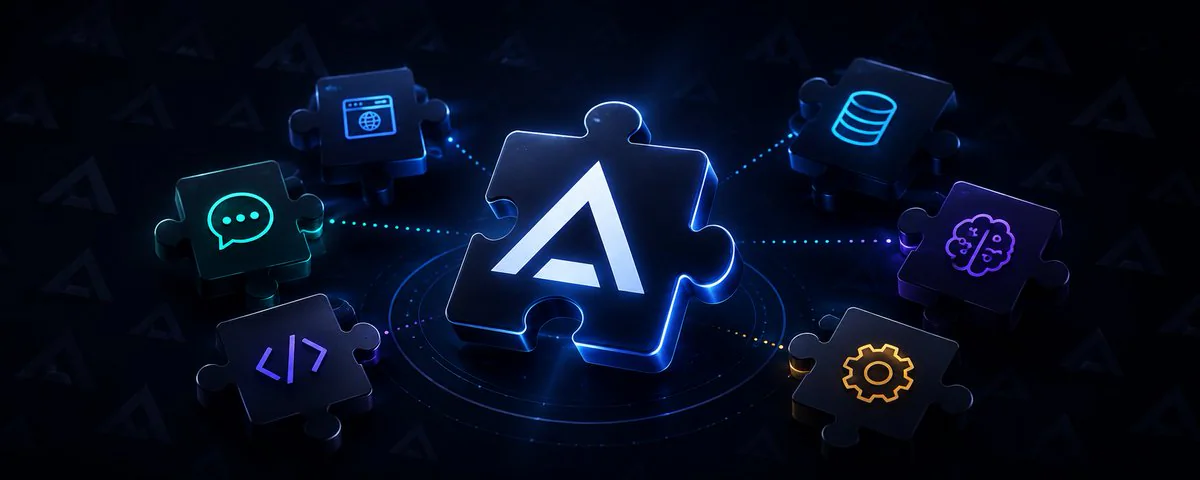
Why Agent Zero implements core capabilities as replaceable plugins—and how users can override, extend, and verify the agent.